tokyo district map pdf
Tokyo District Map PDF: A Comprehensive Guide
Navigating Tokyo requires detailed maps, readily available in PDF format, covering areas like Ikegami and utilizing resources from studies on compact city planning․
Understanding the Need for Tokyo District Maps
Tokyo’s vastness and complex urban layout necessitate readily accessible and detailed maps for both residents and visitors․ PDFs offer a convenient, portable solution for navigating this sprawling metropolis․ From planning itineraries encompassing locations like Kyoto and Osaka, to exploring specific wards such as Ikegami in Ota ward, accurate mapping is crucial․
Furthermore, understanding Tokyo’s historical context, potentially gleaned from Russian Science collections, enhances exploration․ Compact city planning studies also rely on precise mapping․ Digital PDFs allow for zooming, printing, and offline access – essential for seamless travel and research within Tokyo’s diverse districts․
Types of Tokyo District Maps Available in PDF Format
PDF maps encompass tourist guides, transportation networks, detailed ward layouts (like Ikegami), and historical representations, aiding navigation and contextual understanding of Tokyo․
Tourist Maps: Navigating Popular Areas
Essential for visitors, tourist maps in PDF format highlight key attractions within Tokyo’s diverse districts․ These maps often showcase popular destinations, facilitating exploration of areas like Shibuya and Shinjuku․ They frequently include points of interest (POIs) and are designed for easy readability, even for those unfamiliar with Japanese signage․ Resources detailing itineraries, such as the January 2016 Japan trip, demonstrate the practical application of these maps for planning and efficient sightseeing․ Compact city planning studies also influence the clarity and detail found within these tourist-focused PDFs, ensuring a comprehensive experience․
Transportation Maps: Trains, Subways, and Buses
Tokyo’s extensive public transport network is best navigated with dedicated PDF maps․ These resources detail train lines, subway routes, and bus systems, crucial for efficient travel across wards like Ota (Ikegami)․ While specific PDF examples weren’t directly cited, the need for clear transport information is implied by the city’s complexity․ Maps supporting compact city planning likely integrate transport infrastructure․ Access to these PDFs allows offline access, vital for tourists without constant data connectivity, aiding exploration beyond typical itineraries and ensuring smooth journeys throughout the metropolis․
Detailed Ward Maps: Focusing on Specific Districts
PDF maps offering granular detail of Tokyo’s wards are invaluable for focused exploration․ Considering Ikegami (Ota ward) as a typcial territory, these maps highlight local streets, points of interest, and residential areas․ Such detailed resources are essential for researchers, as indicated by studies referencing specific locations like KUZ․ R65128․ While direct PDF links weren’t provided, the need for ward-specific maps is clear․ These PDFs support both tourist itineraries and academic research, offering a deeper understanding of Tokyo’s diverse neighborhoods beyond broader city overviews․
Historical Maps: Tokyo Through Time
Accessing Tokyo’s past through PDF maps presents a unique opportunity․ Resources like collections from Russian Science, potentially containing historical data, offer glimpses into the city’s evolution․ While specific historical PDF maps weren’t directly linked, the existence of rare book collections within institutions like MGIMO suggests their availability․ These maps, if digitized, would complement modern PDFs, revealing changes in ward boundaries – like Ikegami – and urban planning over time․ Exploring these resources provides context beyond current maps, enriching understanding of Tokyo’s historical landscape․

Key Tokyo Districts and Their Characteristics
PDF maps detail diverse districts; from Ikegami’s residential areas to vibrant hubs like Shibuya, Shinjuku, Ginza, and Asakusa, offering unique experiences․
Shibuya: Fashion, Trends, and the Iconic Crossing
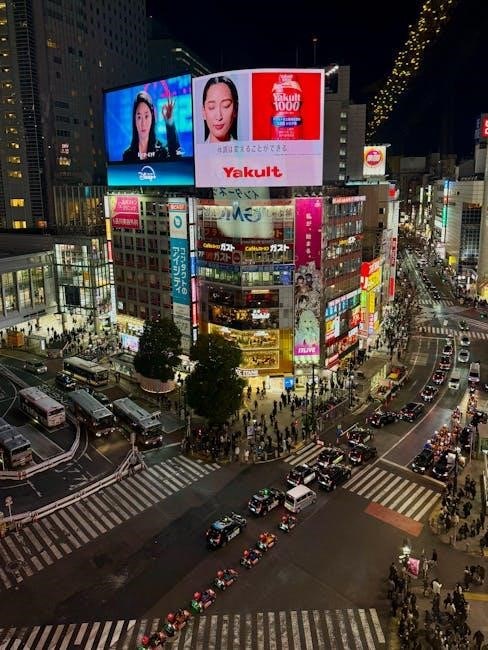
Shibuya’s detailed PDF maps are essential for navigating its bustling streets, famed for cutting-edge fashion and the world-renowned scramble crossing․ These maps highlight key shopping areas, entertainment venues, and transportation links, aiding exploration․ Understanding Shibuya’s layout, as depicted in these PDFs, is crucial given its dynamic nature․ Resources detailing compact city planning can offer context to Shibuya’s dense urban structure․ Furthermore, historical maps, potentially found within Russian science collections, might reveal Shibuya’s evolution․ Efficiently explore this trendsetting district with a reliable PDF map in hand, maximizing your visit․
Shinjuku: Skyscrapers, Gardens, and Nightlife
Shinjuku demands a detailed PDF map to navigate its contrasting landscapes – from towering skyscrapers to serene gardens like Shinjuku Gyoen․ These maps pinpoint key attractions, including entertainment districts and transport hubs․ Considering Shinjuku’s complex urban planning, resources on compact city design become valuable for understanding its structure․ Historical maps, possibly sourced from Russian scientific collections, could illustrate Shinjuku’s development over time․ A PDF map aids in efficiently exploring both the daytime attractions and vibrant nightlife, ensuring you don’t miss any of Shinjuku’s diverse offerings․
Ginza: Upscale Shopping and Dining
Ginza’s sophisticated layout benefits greatly from a comprehensive PDF map, highlighting luxury boutiques, department stores, and renowned dining establishments․ Detailed ward maps are crucial for navigating its grid-like streets․ Considering urban planning studies, a PDF can illustrate Ginza’s evolution as a premier shopping district․ Accessing maps offline, a PDF feature, is ideal for spontaneous exploration․ Historical maps might reveal Ginza’s transformation over decades․ A well-designed PDF map ensures visitors efficiently locate desired shops and restaurants, maximizing their Ginza experience․
Asakusa: Traditional Temples and Culture
Asakusa’s historic charm is best explored with a detailed PDF map, pinpointing Senso-ji Temple, Nakamise-dori street, and surrounding cultural sites․ Historical maps within a PDF format can reveal Asakusa’s past, enriching the visitor experience․ Offline access, a key PDF benefit, allows exploration without data roaming․ Tourist maps, often available as PDFs, highlight key attractions and transportation links․ Considering compact city planning studies, a map could illustrate Asakusa’s preservation amidst urban development․ A PDF map ensures efficient navigation through its narrow streets and maximizes cultural immersion․
Ikegami (Ota Ward): Residential Area & Historical Significance
Ikegami, within Ota Ward, benefits from detailed PDF maps showcasing its residential layout and historical landmarks․ Research, like that cited from Aднагулов (2017) referencing KUZ․ R65128, suggests potential for geographically referenced PDF maps․ These maps aid in understanding the area’s evolution․ PDF format allows offline access, crucial for exploring local neighborhoods․ Maps related to compact city planning studies could illustrate Ikegami’s urban structure․ Accessing these PDFs provides a deeper understanding of this Tokyo district’s unique blend of residential life and historical importance․
Where to Find Tokyo District Maps in PDF Format
Locate Tokyo maps in PDF through official government sites, tourist resources, and third-party providers, including potential access to Russian science collections online․
Official Tokyo Metropolitan Government Websites
The Tokyo Metropolitan Government provides a wealth of publicly accessible information, including downloadable PDF maps of various districts․ These resources are generally the most reliable and up-to-date sources for accurate geographical data․ While specific map availability fluctuates, exploring the official websites – particularly those related to urban planning and tourism – is crucial․
Look for sections detailing ward-specific information, transportation networks, and potentially even historical maps․ These PDFs often include detailed street layouts, points of interest, and crucial accessibility information․ Remember to check for English language versions, as not all content is translated․ These official sources are a cornerstone for effective navigation and planning within Tokyo․
Tourist Information Centers Online Resources
Tokyo’s Tourist Information Centers offer valuable online resources, frequently including downloadable PDF maps geared towards visitors․ These maps often highlight popular tourist destinations, transportation hubs, and recommended itineraries, making them ideal for short-term travelers․ Many centers collaborate to provide comprehensive coverage of the city’s diverse districts, including areas like Ikegami․
Expect to find maps focusing on specific themes, such as walking tours or neighborhood guides․ While potentially less detailed than official government maps, they prioritize visitor convenience and often feature English translations․ Check websites associated with major tourist centers for readily available PDF downloads to enhance your trip planning;
Third-Party Map Providers and Travel Blogs
Numerous third-party map providers and travel blogs offer Tokyo district maps in PDF format, often supplementing official resources with unique perspectives․ These sources frequently provide curated maps focusing on specific interests, like culinary hotspots or historical sites within areas such as Ikegami․ Travel blogs often feature user-created maps, offering localized insights and hidden gems․
However, exercise caution regarding accuracy and update frequency․ Cross-reference information with official sources․ Some providers may offer maps related to broader Japan itineraries, including stops in Kyoto, Osaka, and Kobe, as detailed in travel reports from 2016․
Utilizing PDF Maps Effectively
PDF maps offer portability and offline access, crucial for navigating Tokyo’s districts like Ikegami, alongside features for zooming and printing detailed plans․
Zooming and Printing Options
Tokyo district maps in PDF format provide essential zooming capabilities, allowing detailed examination of areas like Ikegami within the Ota ward․ This is particularly useful for planning itineraries, referencing compact city planning layouts, or studying historical contexts․ Printing options are equally vital; travelers can create physical copies for offline use, marking points of interest or navigating complex transportation networks․
Furthermore, PDF viewers often offer scaled printing, ensuring accurate map dimensions․ Considering resources like those from Russian Science collections, printing allows preservation of potentially unique historical data․ Adjusting print settings optimizes map clarity for various purposes, from broad overviews to focused explorations․
Offline Access and Portability
Tokyo district maps in PDF format excel in offline accessibility, a crucial benefit for travelers exploring areas like Ikegami without constant internet access․ Downloaded maps, including those detailing Irohazaka Winding Road or compact city planning studies, are readily available on smartphones, tablets, or e-readers․
This portability eliminates reliance on data roaming and ensures navigation even in subway stations or remote locations․ PDFs are universally compatible, simplifying access across devices․ Preserving maps from Russian Science collections offline safeguards potentially valuable historical information during travel and research․
Layered Maps and Customization
Advanced PDF map viewers allow for layered functionality, enabling users to toggle visibility of features like transportation networks, points of interest, or historical data relevant to districts like Ikegami․ Customization options, though varying by software, might include annotation tools for marking preferred routes or locations․
While not all Tokyo district PDFs offer extensive layering, utilizing GIS software alongside downloaded maps – potentially including those from compact city planning studies or Russian Science collections – unlocks powerful customization and georeferencing capabilities for detailed analysis․
Advanced Map Features to Look For
Essential features include English language support, detailed Points of Interest (POIs), and accessibility information, enhancing usability for navigating Tokyo’s diverse districts․
English Language Support
For international travelers, English language support is paramount when utilizing Tokyo district maps in PDF format․ Many maps initially created for domestic use feature Japanese text exclusively, presenting a significant barrier to understanding․ Ideally, a PDF map should offer a complete English translation of all labels, street names, and points of interest․
The absence of English can severely limit a map’s usefulness, especially when attempting to navigate complex transportation networks or locate specific destinations․ Look for maps explicitly stating English language availability or those offering a downloadable English key or legend․ Prioritizing maps with built-in multilingual support ensures a smoother and more enjoyable exploration of Tokyo’s varied districts․
Points of Interest (POIs)
Effective Tokyo district maps in PDF format should clearly mark significant Points of Interest (POIs)․ These aren’t limited to major tourist attractions; valuable POIs include transportation hubs, hospitals, police stations, and essential services․ Detailed maps will categorize POIs – perhaps using icons – to differentiate between temples (like those in Asakusa), shopping areas (Ginza), or gardens (Shinjuku)․
The inclusion of POIs transforms a map from a simple navigational tool into a comprehensive guide․ Maps referencing areas like the Irohazaka Winding Road should highlight scenic viewpoints․ A robust POI database enhances the user experience, allowing for efficient trip planning and exploration of Tokyo’s diverse offerings․
Accessibility Information
Comprehensive Tokyo district maps in PDF format should ideally incorporate accessibility information for all users․ This includes marking wheelchair-accessible routes, elevator locations in train stations, and accessible restrooms․ While not always present, the inclusion of this data significantly improves usability for individuals with mobility impairments․
Maps detailing areas like Ikegami, or those used in compact city planning studies, should prioritize accessibility considerations․ Clear symbols or color-coding can denote accessible features․ Future map iterations could link to detailed accessibility guides for specific POIs, enhancing inclusivity and ensuring everyone can navigate Tokyo effectively․
Specific PDF Map Resources (as of 02/17/2026)
Current resources include Irohazaka winding road maps, studies on compact city planning, and potentially valuable historical data from Russian science collections․
Irohazaka Winding Road Maps (Potential for Regional Context)
While not directly within Tokyo’s 23 wards, maps detailing Irohazaka Winding Road offer valuable regional context for understanding broader transportation networks and topographical challenges influencing urban planning․ These maps, available as PDFs, showcase complex road designs navigating hilly terrain․
Considering Tokyo’s expansion and connections to surrounding prefectures, analyzing Irohazaka’s layout provides insights into infrastructure development strategies․ The road’s unique characteristics – numerous hairpin turns – demonstrate engineering solutions applicable to other geographically complex areas within the greater Tokyo Metropolis․
Furthermore, these maps can supplement district-level PDFs by illustrating travel routes to Tokyo from neighboring regions, enriching a user’s overall understanding of accessibility and connectivity․
Maps related to compact city planning studies
PDF maps stemming from compact city planning research offer a unique perspective on Tokyo’s district layouts․ These studies, involving numerous municipalities, detail strategies for efficient land use and infrastructure development within densely populated areas․ They visually represent proposed zoning changes, transportation improvements, and green space allocations․
Analyzing these maps alongside traditional ward maps reveals the underlying rationale behind Tokyo’s urban form․ They demonstrate how planners address challenges like population density and resource management․
Accessing these PDFs provides valuable insights into the future evolution of Tokyo’s districts, showcasing planned developments and long-term urban visions․
Maps from Russian Science Collections (Potential Historical Data)
Surprisingly, historical Tokyo district maps may reside within Russian science collections, compiled during periods of research collaboration or geopolitical interest․ These collections, documenting work from leading Russian and foreign journals, could contain unique cartographic data predating widely available sources․
The potential value lies in uncovering maps illustrating Tokyo’s districts at different historical junctures, offering insights into past urban planning and societal changes․ Accessing these resources requires navigating specialized archives and potentially translation efforts․
Researchers should explore these collections for rare depictions of Tokyo’s evolving landscape․
Tools for Working with Tokyo District Map PDFs
Utilize standard PDF readers and editors, alongside georeferencing and GIS software, to analyze and manipulate Tokyo district maps for detailed spatial understanding․
PDF Readers and Editors
Essential for viewing and interacting with Tokyo district maps in PDF format, several tools offer varying functionalities․ Adobe Acrobat Reader is a widely used, free option providing basic viewing, zooming, and printing capabilities․ For more advanced features like editing, annotation, and form filling, Adobe Acrobat Pro offers a comprehensive suite․ Alternatives include Foxit Reader and PDF-XChange Editor, providing similar functionalities at different price points․
These editors allow users to highlight key areas, add notes regarding points of interest, and even redact sensitive information if necessary․ Considering the potential for historical maps, the ability to digitally preserve and enhance these documents is crucial․ Selecting the right tool depends on the user’s specific needs and budget․
Georeferencing and GIS Software
For advanced users, georeferencing PDF maps allows integration with Geographic Information Systems (GIS) software․ This process assigns real-world coordinates to the map, enabling spatial analysis and overlaying with other datasets․ Popular GIS software options include QGIS (open-source) and ArcGIS․
Georeferencing is particularly useful when working with historical maps, like those potentially found in Russian Science Collections, to accurately position them within a modern context․ This unlocks possibilities for comparing historical urban layouts with current infrastructure, aiding in studies of Tokyo’s evolution and compact city planning initiatives․
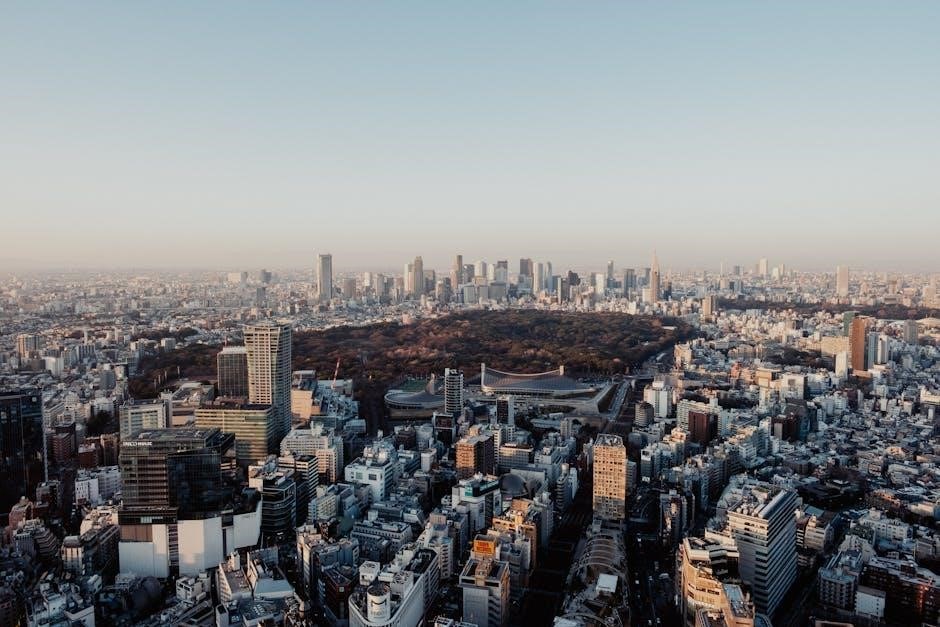
Future Trends in Tokyo Mapping
Tokyo mapping is evolving towards interactive digital experiences and augmented reality integration, moving beyond static PDF maps for enhanced navigation․
Interactive Digital Maps
The future of Tokyo navigation lies in dynamic, interactive digital maps, surpassing the limitations of traditional PDF formats․ These platforms offer real-time updates, personalized routing, and seamless integration with transportation systems․ Users can explore detailed ward maps, pinpoint points of interest, and access accessibility information with ease․
Furthermore, these maps can incorporate user-generated content, creating a collaborative and constantly evolving resource․ Imagine layering historical maps onto current views, or utilizing augmented reality to visualize building information directly on your smartphone․ This shift promises a more immersive and informative experience for both residents and tourists, moving beyond static PDF resources․
Augmented Reality (AR) Integration
AR transforms Tokyo exploration by overlaying digital information onto the real world, enhancing the utility of traditional maps – even those initially in PDF format․ Imagine pointing your smartphone at a building and instantly accessing its history, restaurant reviews, or accessibility features․ This technology builds upon the data found in detailed ward maps and historical resources․
AR can also recreate historical Tokyo, visualizing past landscapes over present-day streets, potentially utilizing data from Russian Science collections․ This immersive experience goes far beyond static PDF maps, offering a dynamic and engaging way to understand the city’s evolution and navigate its complex urban environment․